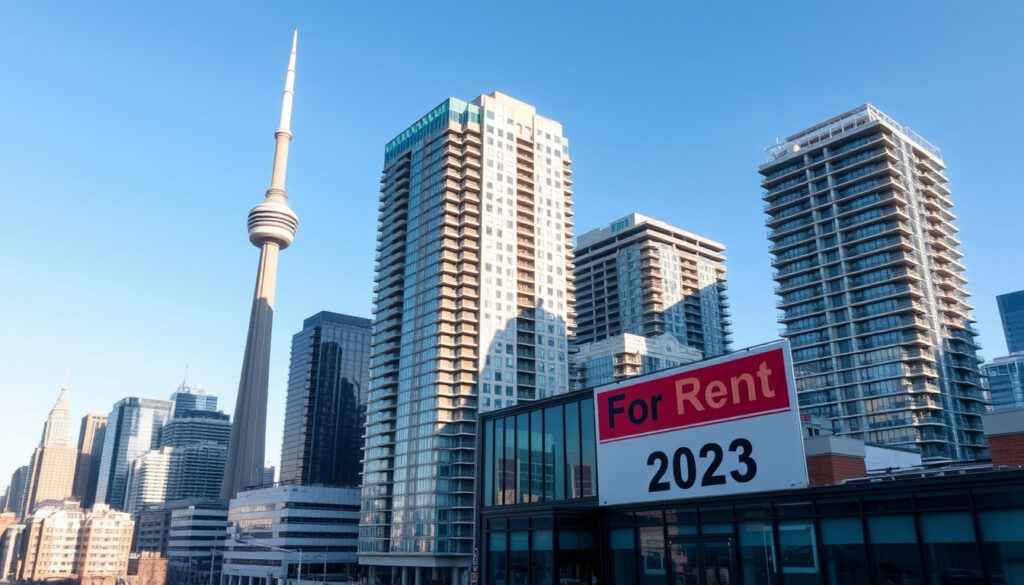
Condos for Rent Toronto – 2025 Prices and Neighborhoods
Toronto’s condo rental market shifted noticeably in 2025, with increased supply and softer demand creating more options for prospective tenants. Average rents for one-bedroom units ranged between $2,032 and $2,587 monthly, while two-bedroom condos typically fell between $2,374 and $2,950. These figures represent a cooling trend compared to previous years, offering relief for those searching for condos for rent in Toronto. Whether seeking a pet-friendly unit downtown or a furnished option near a university, understanding current pricing and neighborhood dynamics can help renters make informed decisions in this evolving market.
The Greater Toronto Area saw notable changes in its rental landscape throughout 2025. New construction delivered additional units to the market, landlords offered more incentives, and declining immigration numbers affected demand patterns. For tenants navigating this environment, knowing average costs, popular neighborhoods, and available amenities becomes essential when comparing listings across the city.
How Much Does It Cost to Rent a Condo in Toronto?
Understanding current rental costs forms the foundation of any housing search. Toronto condo prices in 2025 showed meaningful variation depending on location, unit size, and building amenities. Several sources tracked these changes throughout the year, providing data points that paint a clear picture of the market.
$2,200
Median (Jan-Aug 2025)
$2,650
Median (Jan-Aug 2025)
26
Fall 2025 average
-3.9%
Two-bedroom asking rent
- One-bedroom units ranged from $2,032 to $2,587 monthly, with January through August averaging $2,259 and a median of $2,200
- Two-bedroom condos ranged from $2,374 to $2,950, averaging $2,793 for the first eight months of 2025 with a median of $2,650
- Fall 2025 active listings showed one-bedrooms averaging $2,342 (median $2,300) and two-bedrooms at $2,950 (median $2,750)
- By Q3 2025, the Toronto CMA two-bedroom asking rent dropped to $2,720, representing a 3.9% decline year-over-year
- Some sources reported higher figures, with Rentals.ca noting one-bedrooms above $2,600 and two-bedrooms exceeding $3,300 in certain periods
- Furnished one-bedroom units averaged $2,006 in July 2025, down 7.8% year-over-year
- Citywide averages from April 2026 showed one-bedrooms at approximately $1,980 (630 sq ft) and two-bedrooms at $2,459 (871 sq ft)
| Unit Type | Average Rent | Median Rent | Active Listings (Fall 2025) |
|---|---|---|---|
| Studio | $1,579 – $1,800 | $1,680 | Varies by building |
| 1 Bedroom | $2,032 – $2,587 | $2,200 | $2,342 avg ($2,300 median) |
| 2 Bedroom | $2,374 – $2,950 | $2,650 | $2,950 avg ($2,750 median) |
| 3 Bedroom | $2,500 – $2,938 | $2,700 | Limited availability |
| Furnished 1-Bed | $2,006 (July 2025) | — | Seasonal availability |
| Luxury 1-Bed | $2,702+ | — | Premium buildings |
What Are the Best Neighborhoods for Condos for Rent in Toronto?
Toronto offers diverse neighborhoods catering to different lifestyles and budgets. While specific 2025 neighborhood data remains limited, general patterns reveal clear distinctions between premium areas and more affordable zones. Understanding these patterns helps renters prioritize their search based on location preferences and financial constraints.
Downtown and Central Toronto
Downtown Toronto consistently commands higher rents due to proximity to employment districts, entertainment venues, and transit options. One-bedroom condos in central areas typically exceed $2,300 monthly, with two-bedroom units often surpassing $2,800. The density of high-rise buildings provides abundant choices, though competition remains steady for well-located units.
Yorkville stands out as one of the city’s most prestigious neighborhoods. Condo rentals here reflect the area’s boutique shopping, dining establishments, and cultural attractions. Tenants seeking luxury finishes and premium addresses often focus their search in this district, though rents accordingly reflect the area’s desirability.
Outer GTA Zones and Affordable Options
Areas beyond the downtown core generally offer lower rents due to increased supply and greater distance from central employment. Suburban neighborhoods in Scarborough, Etobicoke, and North York provide more square footage at comparable or lower price points. Two-bedroom units in these areas can sometimes be found below $2,500 monthly, making them attractive for families or those requiring additional space.
North York Centre, Scarborough Town Centre, and Etobicoke Centre represent transit-connected hubs where renters can access subway lines while enjoying relatively lower costs compared to downtown. These areas saw significant new construction in recent years, adding to rental inventory and providing negotiating leverage for prospective tenants searching for condos for rent in Toronto outside the core.
Properties farther from subway stations or requiring transit transfers typically rent for less. Exploring areas with recent development can reveal competitive pricing as landlords compete for tenants in newer buildings. Checking listings during non-peak seasons may also surface better deals as vacancy rates in certain areas increase.
Are There Pet Friendly or Furnished Condos for Rent in Toronto?
Pet-friendly condo rentals exist throughout Toronto, though availability varies by building. Some landlords accept pets with restrictions on size or breed, while others may require additional deposits. The city’s animal services regulations provide guidance on responsible pet ownership, but individual building policies ultimately determine acceptance.
Furnished Condo Rentals
Furnished units offer convenience for short-term needs, corporate relocations, or those relocating from outside the city. In July 2025, furnished one-bedroom condos averaged $2,006 monthly, representing a 7.8% decline from the previous year. This decline reflects increased supply and softer demand in the furnished segment, creating opportunities for tenants seeking move-in-ready options.
Short-term rentals typically command premiums over standard twelve-month leases. Monthly rates for furnished units may exceed unfurnished equivalents by 10-20%, though this varies by neighborhood and building quality. Corporate housing providers and dedicated furnished rental platforms offer diverse options ranging from modest apartments to luxury suites.
Short-Term and Sublet Options
The short-term condo market includes sublets from existing tenants, Airbnb-style rentals, and purpose-built corporate housing. These arrangements can range from one month to six months, providing flexibility for those uncertain about long-term commitments. Sublet listings often appear on community platforms and local classifieds, though verifying lease terms and landlord approval remains essential.
Many Toronto condos have rules regarding rentals, including minimum lease terms and restrictions on short-term stays. Before signing any agreement for a short-term rental, confirm that the arrangement complies with building regulations and that the property management company or board has authorized the lease.
Key Factors Affecting Toronto’s Condo Rental Market
Several macroeconomic factors influenced the Toronto condo rental market throughout 2025. Immigration patterns, employment growth in technology and finance sectors, and the pace of new residential construction all played roles in shaping supply and demand dynamics. The federal government’s immigration policies particularly affected rental demand, as international students and skilled workers represent significant segments of the tenant population.
Interest rate fluctuations also impacted the market indirectly. Higher borrowing costs for investors reduced speculative purchasing, which translated to more units entering the rental market rather than being held for sale. This shift contributed to increased vacancy rates in certain neighborhoods and gave tenants more bargaining power during negotiations.
Tips for Renting a Condo in Toronto
Prospective tenants should approach their search strategically to maximize their chances of securing suitable accommodations. Preparing documentation in advance—including proof of income, credit references, and letters of employment—signals professionalism to landlords and can expedite the application process. In competitive neighborhoods, having these materials ready may provide an edge over other applicants.
Using reputable real estate platforms and working with licensed agents can expand access to listings and provide market insights. However, many buildings also accept direct applications, which may reduce processing times. Networking within communities and monitoring local classifieds can uncover opportunities before they appear on major listing sites.
Understanding your rights as a tenant in Ontario is crucial. The Residential Tenancies Act governs landlord-tenant relationships and outlines protections regarding rent increases, maintenance responsibilities, and eviction procedures. Familiarizing yourself with these regulations helps ensure a fair and transparent rental experience.
Looking Ahead: Toronto’s Condo Rental Outlook
The Toronto condo rental market showed signs of stabilization in late 2025, with price declines moderating and inventory levels remaining elevated. Analysts from major financial institutions anticipate continued balance between supply and demand through 2026, suggesting that tenants may retain negotiating leverage in the near term.
New construction pipelines indicate sustained delivery of rental units, particularly in transit-oriented developments surrounding subway stations and along the waterfront. These projects will likely maintain market equilibrium while offering renters diverse options across price points and neighborhoods.
Frequently Asked Questions
What is the average rent for a one-bedroom condo in Toronto in 2025?
Average one-bedroom condo rents in Toronto ranged from $2,032 to $2,587 monthly during 2025, with the median hovering around $2,200. Fall 2025 listings showed slight increases, with averages near $2,342.
Which Toronto neighborhoods offer the most affordable condo rentals?
Outer GTA areas including Scarborough, Etobicoke, and North York generally offer lower rents than downtown. Transit-connected hubs like Scarborough Town Centre and North York Centre provide relatively affordable options with subway access.
Are pet-friendly condos available for rent in Toronto?
Yes, pet-friendly condo rentals exist throughout Toronto, though policies vary by building. Some landlords accept pets with size or breed restrictions, while others may require additional deposits.
How much do furnished condos cost in Toronto?
Furnished one-bedroom units averaged approximately $2,006 monthly in July 2025. Short-term furnished rentals typically command 10-20% premiums over standard twelve-month lease rates.
Has Toronto’s condo rental market cooled in 2025?
Yes, the market showed a cooling trend with two-bedroom asking rents declining 3.9% year-over-year by Q3 2025. Increased supply from new construction and softer demand contributed to more balanced market conditions.
More related posts
 Epic Game Activate: Correct URL, Step , and Trouble hooting
 Fred Ewanuick Now: Life, Brewing, and Legacy
 How to Make Oatmeal: Stovetop, Microwave, Overnight Guide
 Natalie Viscuso: Age, Career and Henry Cavill Relationship
 Sadie Robertson: Kids, Husband, Net Worth, and More
 Words Per Minute Test: What Is a Good Typing Speed?
 Sebastian Stan Movies and TV Shows: Complete Guide
 Honda Ridgeline for Sale: Guide to Problems & Best Years